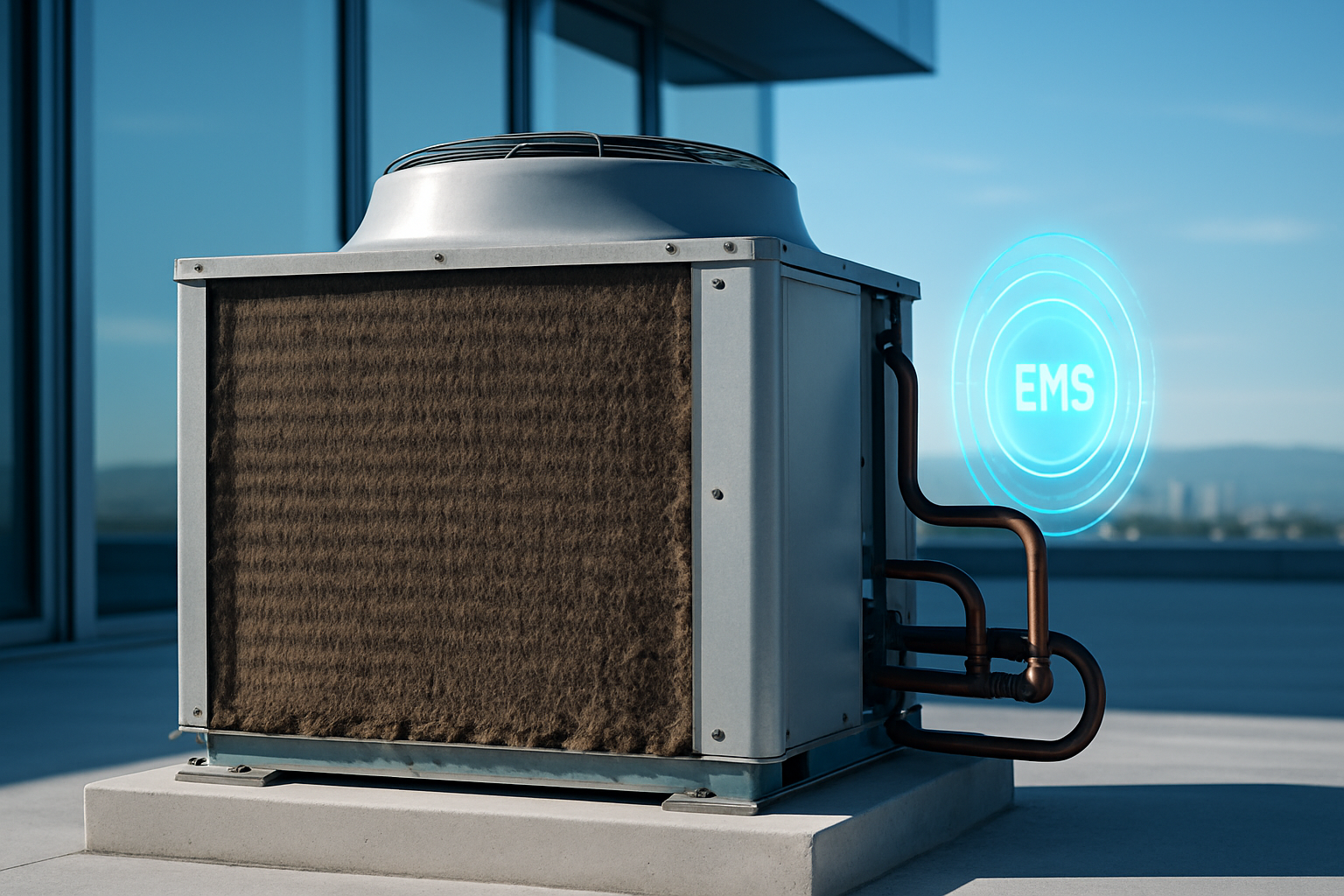
Your walk-in freezer is holding –5°F, the compressor sounds normal, and product is solid. Yet your electric bill jumped $280 last month and the unit cycles every 11 minutes instead of the usual 18. The condenser coil hasn't been cleaned in fourteen months — a thin mat of lint, pollen, and grease now blocks 60% of the fin surface. Head pressure that should sit at 260 psi is running 310 psi, forcing the compressor to work 25% harder every single cycle. You're paying for that difference in kilowatt-hours, compressor wear, and the month you'll lose the box entirely when the overload trips for good.
Quick Diagnosis Summary
Check these field indicators before calling for service:
Need a tech onsite fast? Call our dispatch line at (408) 656-7009 — 24/7 emergency refrigeration service across the Bay Area & Sacramento.
- Head pressure reads 40+ psi above normal for ambient temperature.
- Compressor housing too hot to hold your hand on for five seconds.
- Condenser fan runs but coil surface feels warm, not hot.
- Run-time per cycle increased 20% compared to last season's log.
- Suction pressure normal but box takes twice as long to recover after door openings.
- Amp draw on compressor climbed 15–20% since last PM visit.
What's Actually Happening
The box still holds temperature — for now. Compressor cycles are shorter but more frequent. On a 90°F day the unit runs almost continuously, and recovery after morning deliveries stretches from twelve minutes to twenty-two. The high-pressure cutout hasn't tripped yet, but the compressor is hot enough that you pull your hand back when you touch the dome. Energy consumption creeps up month over month, masked by seasonal swings and other equipment on the same meter.
Why It Happens (The Refrigeration Logic)
Condenser fouling chokes airflow across the coil, preventing refrigerant from rejecting heat. Discharge gas that should condense at 260 psi now requires 310 psi to liquefy at the same ambient temperature. The compressor works against that elevated head pressure every stroke, burning more amperage and generating more heat. Higher compression ratios reduce volumetric efficiency — you're moving less refrigerant per cycle, so the compressor runs longer to satisfy the differential. A control set for 2°F cut-in, 6°F cut-out now sees the box drift to 8°F before the compressor finally pulls it back down, because each cycle delivers less cooling capacity. Subcooling drops as liquid backs up in the condenser, starving the TXV and raising superheat. The system still works, but every component operates outside its design envelope. Real case pattern: a grocery client in Daly City ran a year on fouled coils and replaced the compressor at 11,000 hours — half its rated life — because continuous high-head operation destroyed the valves and bearings.
What You'll See — Real-World Signs
Dirty condenser coils don't announce themselves with alarms. Instead, you'll notice a pattern of smaller failures that compound over weeks:
- Compressor run-time climbs from 60% to 80–85% of each hour, even though the box temperature hasn't changed.
- Head pressure reads 285–310 psig on R-404A when it used to sit at 240–260 psig during identical outdoor conditions.
- The condensing unit feels hotter to the touch — cabinet panels that were warm now burn your hand after a 15-minute cycle.
- Defrost cycles that terminated in 18 minutes now run the full 30-minute timer because the box never pulls down fast enough to hit the temperature termination setpoint.
Why This Matters for Your Business
Each 10° rise in condensing temperature costs roughly 8–12% more compressor energy. A unit drawing 18 amps clean now pulls 21–22 amps dirty — that's $60–$90 monthly per cooler in the Bay Area's $0.28/kWh tier. Multiply by three walk-ins and you've hit $300. Compressors running at 310 psig instead of 250 psig see bearing wear accelerate; we've replaced compressors at year four that should have lasted eight. Health inspectors flag any cooler drifting above 41°F, and a fouled condenser means your box recovers slower after every door opening or product load. The cumulative risk isn't one catastrophic failure — it's margin erosion across labor, product loss, and premature capital replacement.
How a Technician Walks Through This
Walk up to the condensing unit while it's running. Check head pressure first: if you're 40–60 psig above nameplate design pressure and outdoor ambient hasn't spiked, the condenser is your prime suspect.
Airflow Test
Hold your hand six inches from the discharge grille. Clean coils push a strong, hot column of air. Fouled coils feel weak and turbulent — you'll sense the fan laboring against back-pressure. Shut the unit down and inspect the coil face with a flashlight at an angle. Lint, pollen, and grease form a mat that looks clean from straight-on but blocks 50–70% of fin surface when viewed oblique.
Amperage Comparison
Clamp the compressor common lead. Compare current draw to the nameplate RLA. If you're 15–20% over and suction pressure is normal, the compressor is doing extra work to achieve the same refrigeration effect — textbook condenser fouling.
Common Mistakes to Avoid
When a walk-in runs longer cycles or trips on high-head pressure, owners and inexperienced techs often chase the wrong culprit:
- Adding refrigerant when suction pressure looks low — dirty coils restrict airflow and raise head pressure, mimicking an undercharge on the low side while the condenser chokes.
- Replacing the TXV for erratic superheat — fouled coils cause head pressure spikes that starve the evaporator, but the valve itself is fine.
- Blaming a failing compressor when amp draw climbs — the compressor works harder against elevated discharge pressure created by dirt-clogged fins, not internal wear.
- Assuming the fan motor is weak when the condenser runs hot — reduced airflow from blockage forces the motor to push against back-pressure, not motor failure.
How to Fix It
Professional coil cleaning reverses the damage and locks in immediate savings. A qualified technician shuts down the unit, removes debris guards, and applies foaming alkaline coil cleaner from the air-discharge side — spraying against airflow pushes contaminant out instead of deeper into the fins. After a ten-minute dwell, low-pressure water rinse (never high-pressure, which bends fins) flushes the foam and loosened grease. Straightening combs correct any bent fins that block air channels.
Cleaning Frequency by Environment
Rooftop units in urban zones need quarterly service; kitchen exhaust near the condenser demands monthly attention. Ground-level condensers behind dumpster pads collect windblown trash weekly — bi-monthly cleaning prevents catastrophic fouling. Each cleaning session restores 12–18% efficiency that dirt stole since the last service. A $150 cleaning every sixty days costs $900 annually but recovers $3,600 in waste energy, netting $2,700. The compressor no longer labors against 340 psig head pressure when 280 psig is normal, extending its lifespan by years and deferring a $4,500 replacement.
How EMS Monitoring Catches This Earlier
Remote monitoring catches coil fouling before it doubles your power bill. Sensors track discharge pressure and compressor run-time against outdoor ambient temperature — when head pressure climbs 40 psig above the expected curve for 78°F weather, the system flags condenser restriction. CoolriteEMS monitoring correlates rising amp draw with stable load, alerting you after two consecutive days of abnormal head pressure so a tech cleans coils during your slow shift instead of after a midnight shutdown. Pattern recognition distinguishes dirty coils from refrigerant loss or failing fans, eliminating diagnostic guesswork and preventing misdiagnosis service calls that waste your budget.
When to Call a Pro
Call a licensed technician immediately if you observe refrigerant oil stains on coil fins, hear compressor rattling under load, smell burnt insulation near the contactor, or see the high-pressure cutout tripping repeatedly. Coil cleaning near live electrical components and pressurized refrigerant lines requires EPA-certified handling — improper rinsing can flood the compressor with water or short the contactor. Warranty coverage on new equipment often mandates professional maintenance records; DIY cleaning voids those agreements and leaves you holding a $6,000 compressor bill.
Frequently Asked Questions
How much does professional condenser coil cleaning cost?
A single cleaning visit typically runs $150–$300 per condensing unit, depending on size and access. Quarterly service contracts often discount the per-visit rate. The payback period is usually under two months when you account for reduced electric bills and avoided compressor failure.
How long does condenser coil cleaning take?
Most single-unit cleanings finish in 30–45 minutes. Multi-unit sites with rooftop racks may require two hours. The technician shuts down the circuit, sprays coil cleaner, rinses with water, inspects fan motors, and restarts. Downtime is minimal if performed during off-peak hours.
What does a dirty condenser coil do to refrigeration efficiency?
Dirt acts as insulation, blocking airflow and raising discharge pressure. The compressor runs longer to reject the same heat, consuming 20–30% more electricity. Head pressure climbs above 300 psig on R-404A systems that should sit at 250 psig, stressing valves and seals until something fails.
Should I clean condenser coils myself or hire a technician?
Light exterior brushing is safe for owners. Deep cleaning requires shutting off power, applying alkaline coil cleaner, and rinsing without bending fins—mistakes flood the compressor or short electrical components. A technician also checks refrigerant charge and fan operation during the same visit, catching problems early.
Dirty coils don't fix themselves—they just cost more every month. Coolrite's preventive-maintenance plans include quarterly condenser cleaning, refrigerant-charge verification, and real-time monitoring so you catch efficiency drops before they triple your electric bill. Schedule your first cleaning and baseline energy audit today.
Related: Commercial Refrigeration Repair Hayward CA.
Related: Walk-In Cooler Repair Santa Clara CA.
Related: Walk-In Cooler Repair Sunnyvale CA.
Related: See our transparent pricing for refrigeration repair, browse customer success stories, or get a quote at your local service area.